

SaaS companies don’t fail because they lack features. They fail because users don’t understand them fast enough.
In a crowded SaaS market, clarity is the real competitive advantage. If a user can’t grasp what your product does, how it helps them, and why it’s different within seconds, you lose them. This is where motion design for SaaS startups becomes a growth lever, not a cosmetic choice.
Motion design helps SaaS companies translate complex workflows, abstract value propositions, and invisible processes into visual experiences people instantly understand. When used strategically, it improves onboarding, increases conversion rates, and strengthens long-term brand perception.
Why Motion Design Matters in SaaS
Most SaaS products are intangible. They rely on dashboards, data flows, automations, and logic that aren’t self-explanatory. Static screenshots and long paragraphs struggle to communicate this complexity.
Motion design bridges that gap. It shows how things work instead of describing them. Subtle transitions explain cause and effect. Animated flows make invisible systems visible. Well-paced motion guides attention exactly where it needs to go.
In other words, motion design reduces cognitive load.
For SaaS startups competing on speed and usability, that advantage compounds quickly.
Motion Design vs Static Design in SaaS
Static design communicates structure. Motion communicates behavior.
In SaaS products, behavior matters more than appearance. Users need to understand:
What happens when they click
How data changes
Where feedback comes from
Why an action succeeded or failed
Motion answers these questions intuitively. Without it, interfaces feel rigid and harder to interpret, especially for first-time users.
That’s why mature SaaS products almost always evolve toward stronger motion systems over time.
Where Motion Design Has the Biggest Impact in SaaS
Product onboarding
Onboarding is where most SaaS startups lose users. Motion design helps by visually explaining workflows, guiding first actions, and reinforcing success moments.
Animated walkthroughs, micro-interactions, and UI motion help users move from “what is this?” to “I get it” faster.
Landing pages and marketing
SaaS landing pages often describe complex value propositions. Motion design turns abstract promises into concrete demonstrations.
A short SaaS product animation or explainer video can replace multiple paragraphs of copy while increasing engagement and time on page.
Feature launches
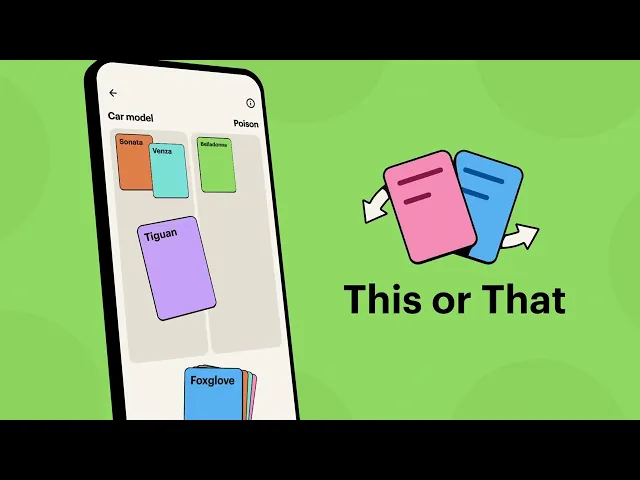
As products grow, feature communication becomes harder. Motion design allows teams to show what’s new without overwhelming users with text-heavy release notes. A good example of that is the recent video we did for The Mind Company for the launch of their Spark app.
Brand differentiation
Most SaaS websites look similar. Motion design introduces personality. How your product moves becomes part of your brand voice calm, fast, precise, playful, or authoritative.
Motion Design for SaaS Onboarding
Onboarding is not about showing every feature. It’s about helping users reach their first moment of value.
Motion design supports this by:
Highlighting what matters
Guiding attention step by step
Reinforcing progress visually
Subtle animations can signal success, reduce uncertainty, and make interactions feel responsive rather than mechanical.
Google’s Material Design guidelines emphasize motion as a tool to guide focus and provide feedback, not decoration
https://m3.material.io/foundations/motion/overview
SaaS Explainer Videos and Product Animations
For early-stage SaaS startups, explainer videos often become the first point of contact with users, investors, or partners.
A strong SaaS explainer video:
Clearly defines the problem
Shows how the product solves it
Visualizes workflows users haven’t seen before
Establishes credibility and trust
Motion design makes this possible without oversimplifying or overwhelming the audience.
Motion Design and Conversion Rates
Motion design doesn’t just improve aesthetics, it influences behavior.
Well-timed motion:
Draws attention to CTAs
Reinforces hierarchy
Reduces hesitation before action
When users understand what will happen next, they’re more likely to click, sign up, or continue.
HubSpot consistently reports that video content—especially short-form and product-focused, performs strongly for conversion and engagement
https://www.hubspot.com/marketing-statistics
For SaaS startups, motion becomes a conversion optimization tool, not just a branding asset.
Motion Design for SaaS Products vs Marketing
SaaS companies often treat product motion and marketing motion separately. This creates inconsistencies.
Product motion focuses on usability. Marketing motion focuses on storytelling. When both follow the same principles, the experience feels cohesive from first visit to daily use.
This is where SaaS companies benefit from defining a motion design system, a shared set of rules governing how motion behaves across the product and brand.
Why SaaS Startups Should Systemize Motion Early
Startups move fast. Without structure, motion quickly becomes inconsistent.
A lightweight motion system helps SaaS startups:
Maintain consistency as teams grow
Move faster without reinventing patterns
Avoid visual debt later
Systemizing motion early doesn’t slow teams down—it removes friction.
Common Mistakes SaaS Startups Make with Motion Design
One of the biggest mistakes is over-animation. Motion should support clarity, not compete for attention.
Another common issue is treating motion as an afterthought—adding animations late in the process instead of designing with motion in mind from the start.
Performance is another frequent blind spot. Heavy animations can hurt perceived speed, which is critical in SaaS products.
Accessibility also matters. Motion should respect reduced-motion preferences to avoid discomfort, as recommended by WCAG guidelines
https://www.w3.org/WAI/WCAG21/Understanding/animation-from-interactions.html
How to Approach Motion Design for SaaS Startups
The most effective SaaS motion design starts with understanding the product, not the visuals.
Teams should first identify:
Key user actions
Moments of uncertainty
Points of friction
Core brand values
From there, motion can be designed to clarify, guide, and reinforce—not distract.
This approach ensures motion supports growth rather than becoming noise.
Measuring the Impact of Motion Design in SaaS
Motion design success isn’t measured by aesthetics alone.
Relevant indicators include:
Improved onboarding completion
Increased time on page
Higher conversion rates
Reduced support friction
Stronger brand recall
These metrics help SaaS teams understand where motion delivers real value.
Motion Design as a Growth Lever for SaaS
SaaS growth depends on speed of understanding. The faster users understand value, the faster products grow.
Motion design accelerates that understanding.
It turns complexity into clarity, interaction into feedback, and products into experiences people remember.
In saturated SaaS markets, this advantage compounds quietly—but powerfully.
Final Thoughts
Motion design for SaaS startups is no longer optional. It’s a strategic tool that improves usability, strengthens brand perception, and supports growth across every stage of the funnel.
When motion is intentional, consistent, and aligned with product goals, it becomes one of the most effective ways to differentiate in a crowded market.
At Possimpible, we help SaaS startups use motion design to clarify products, improve onboarding, and scale brand consistency, across product, marketing, and growth.
Liked it? Share it with your people.